$ open posts/ai-marketing-relevance-beyond-hyper-personalization
Beyond Hyper-Personalization: How AI Reads Minds for True Marketing Relevance
The landscape of digital marketing is undergoing a profound transformation, moving beyond the well-trodden path of hyper-personalization towards an era where artificial intelligence aims to truly understand and anticipate consumer desires. This isn't just about segmenting audiences or tailoring messages based on past behavior; it's about creating a marketing infrastructure that can, in essence, 'read minds' to deliver unparalleled relevance.
For years, hyper-personalization has been the gold standard, leveraging real-time data and machine learning to craft individualized experiences across every customer touchpoint. Yet, as technology advances and consumer expectations shift, a new paradigm is emerging: one where the goal isn't just to be personal, but to be profoundly relevant, often before the customer even articulates a need.
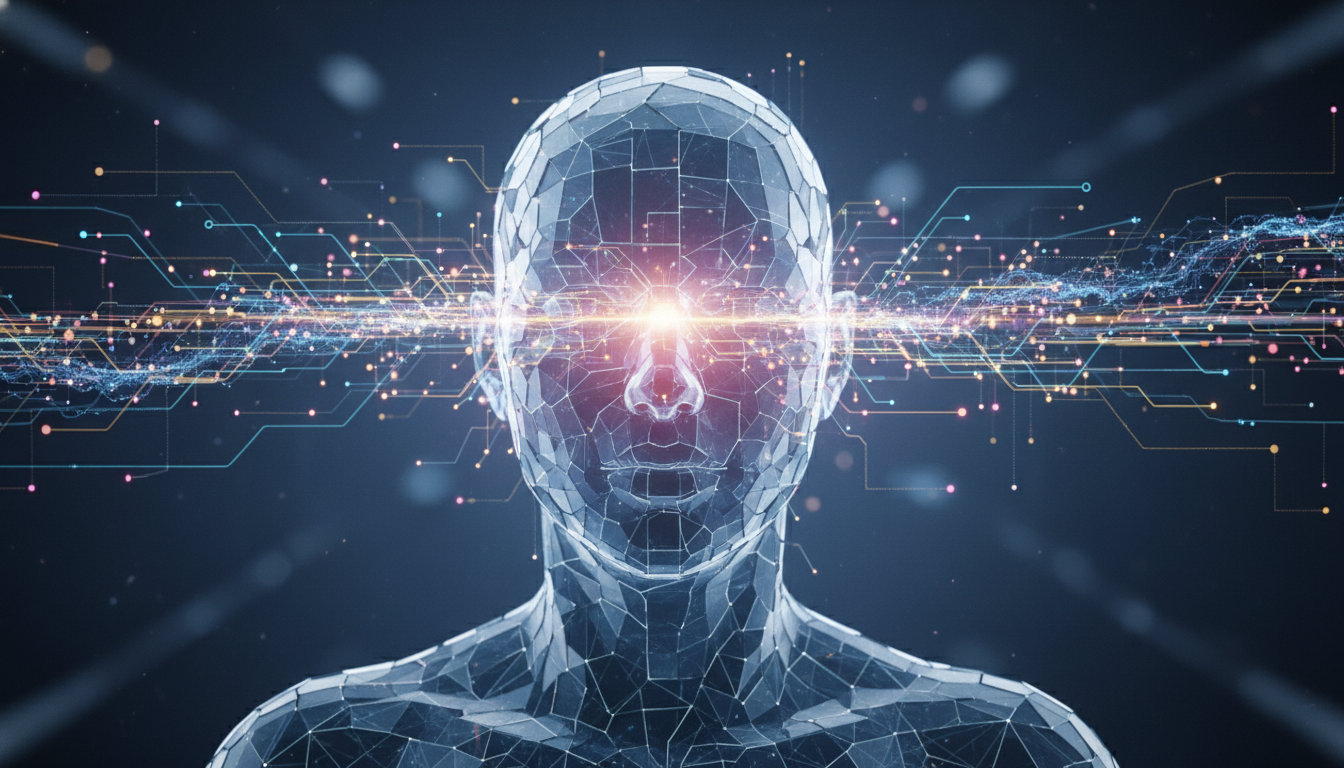
The Evolution of Personalization: From Segments to Sentience
Marketing's journey through personalization has been a continuous climb. Initially, it involved broad segmentation based on demographics, followed by more sophisticated behavioral targeting. Hyper-personalization then pushed the boundaries, using vast datasets and AI to deliver 1:1 experiences. This advanced approach analyzes not just demographics and static attributes, but also real-time behaviors, preferences, context, and intent to create highly relevant interactions.
The next frontier involves AI marketing automation focused on predictive analytics. This capability uses historical and real-time data—from browsing patterns and purchase histories to social media interactions and engagement metrics—to forecast consumer preferences and future actions. Brands can now anticipate customer needs and proactively deliver tailored messages or product suggestions, often before a customer explicitly expresses interest. Further pushing this boundary, AI is even integrating with neuromarketing techniques, analyzing subconscious responses like brain signals, facial expressions, and eye movements to uncover deeper insights into what truly resonates with consumers.
| Personalization Stage | Key Characteristics | Primary Goal |
|---|---|---|
| Traditional Personalization | Basic segmentation (demographics, location), static content. | Broad relevance for groups. |
| Hyper-Personalization | Real-time data, AI/ML, individualized experiences, dynamic content. | 1:1 experience across touchpoints. |
| Relevance-Driven AI | Predictive analytics, neuromarketing, Gen AI, anticipatory content, ethical considerations. | Anticipate needs, deliver profound relevance, avoid 'surveillance' feel. |
AI as the Core: Orchestrating True Marketing Relevance
AI is no longer merely a tool in the marketer's arsenal; it is rapidly becoming the foundational infrastructure that powers modern marketing. It orchestrates entire campaigns, from initial audience discovery and content creation to omnichannel deployment and real-time optimization. This shift transforms marketing from a series of discrete tasks into a seamlessly integrated, intelligent operation.
Predictive Analytics and Generative Content at Scale
At the heart of this evolution is predictive AI, which allows brands to move beyond reacting to customer behavior and instead anticipate it. By analyzing complex data patterns, AI can foresee purchasing intent, identify potential churn risks, and recommend optimal engagement strategies. Complementing this is the significant role of Generative AI (Gen AI). Technologies like Large Language Models (LLMs), Computer Vision, and Graph Neural Networks enable the creation of scalable, custom content—personalized emails, videos, ad copy, and images—that resonate deeply with individuals. This allows for unprecedented micro-targeting and interactive personalization, where customers might even co-create experiences with AI.
However, this advanced capability comes with a critical responsibility. Privacy and consent are paramount, with regulations like GDPR and CCPA shaping how data is collected and utilized. Marketers must navigate this landscape carefully, ensuring that their AI-driven strategies enhance customer trust rather than erode it.

The Future is Relevant, Not Just Hyper-Personalized
By 2026, industry trends suggest that 'relevance will overtake hyper-personalization.' While the global hyper-personalization market is projected to grow substantially from approximately $21.8 billion in 2024 to nearly $49.6 billion by 2029, the focus is shifting. Over-personalization, despite its benefits, can sometimes harm brand identity, limit customer discovery, or even make customers feel uncomfortably surveilled. The ideal is not a rigid 1:1 marketing paradigm, but rather a guiding principle that prioritizes genuine value and utility for the customer.
The adoption rates for AI in marketing reflect this momentum: 68% of marketing executives anticipate AI will manage over 50% of their campaign management by Q4 2026. Companies like Amazon and Netflix have long demonstrated the power of AI in delivering highly personalized, yet relevant, product and content recommendations. Tools such as Salesforce Marketing Cloud, HubSpot, ActiveCampaign, Dynamic Yield, Segment, Persado, and Phrasee are at the forefront, enabling marketers to harness these advanced capabilities.
As AI continues to mature, its role in marketing will only deepen, moving us closer to an era where understanding the consumer's mind is not a metaphor, but a tangible, data-driven reality. The ultimate goal is not just to sell products, but to build lasting relationships through truly meaningful and timely interactions.