$ open posts/amazon-com-headquarters-products-history-profile
Amazon.com: A Comprehensive Profile of Its Headquarters, Products, and History
This profile delves into the core components that define Amazon.com today, offering insights into its corporate structure, its diverse offerings, and the pivotal events that marked its evolution.
Amazon's Global Footprint: Headquarters and Beyond
While Amazon's operations are global, its corporate heart remains firmly rooted in the United States, with a significant and evolving headquarters strategy.
The company's primary headquarters is located in Seattle, Washington, specifically at 410 Terry Ave N. This campus serves as the central hub for many of its core business units and executive functions.
In a strategic expansion, Amazon established a significant East Coast headquarters, known as HQ2, in Arlington, Virginia. Phase I of this development officially opened in June 2023, signaling a growing presence outside its traditional West Coast base.
Additionally, Amazon maintains a growing corporate office footprint in Bellevue, Washington, further solidifying its presence in the Puget Sound region, complementing its Seattle operations.

The Everything Store: Amazon's Diverse Product and Service Portfolio
Amazon's ambition to be "The Everything Store" is reflected in its vast and varied portfolio of products and services, spanning multiple industries.
E-commerce Dominance
At its core, Amazon operates as the world's largest online shopping retailer and marketplace. It offers an immense selection, from books and electronics to groceries and apparel. As of 2025, Amazon lists approximately 600 million products worldwide, with about 12 million sold directly by Amazon and over 588 million from third-party sellers. This hybrid model allows for unparalleled product breadth and choice.
Cloud Computing Powerhouse: Amazon Web Services (AWS)
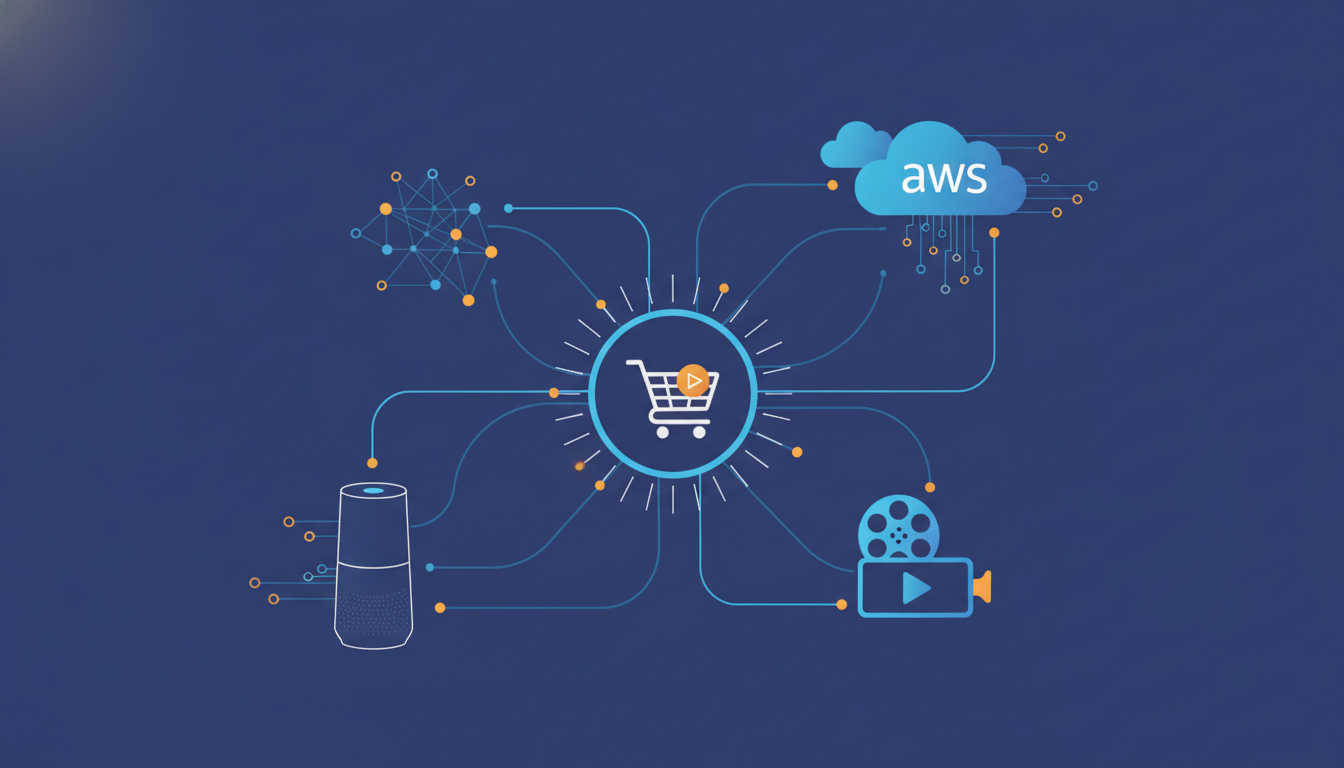
Amazon Web Services (AWS) is a leading cloud service provider, offering over 200 on-demand computing platforms and APIs. These services include robust storage solutions, powerful computing capabilities (such as Amazon Elastic Compute Cloud - EC2), networking, databases, machine learning tools, and more. AWS manages and maintains the underlying hardware and infrastructure, allowing individuals, companies, and governments to rent resources on a flexible pay-per-use basis, fundamentally changing how businesses scale their IT operations.
Subscription and Entertainment Ecosystem
Amazon Prime, launched in 2005, is a cornerstone of Amazon's ecosystem, offering a paid subscription service with a multitude of benefits. These include expedited delivery, access to streaming music (Amazon Music), video (Amazon Prime Video), e-books, gaming, and grocery shopping services. Beyond Prime, Amazon's entertainment offerings extend to Audible, Wondery, Amazon Games, Twitch, Amazon MGM Studios, and MGM+, solidifying its position in digital media.
Consumer Electronics and AI Integration
Amazon designs and sells a range of popular consumer electronics devices, including the Echo smart speakers, Fire Tablet, Fire TV streaming devices, and Kindle e-readers. Artificial intelligence is deeply integrated across Amazon's operations, powering everything from agentic AI for shopping and planning (like Alexa+) to providing foundation models and infrastructure for enterprise customers on AWS, and optimizing logistics through AI-driven robotics in its fulfillment centers.
Private Labels and Other Ventures
The company also sells products under its own brand names, such as AmazonBasics (for consumer electronics accessories and home/office items), Presto!, Mama Bear, and Wickedly Prime. Beyond these, Amazon engages in online advertising, healthcare services (through One Medical, accessible via Prime), and physical grocery retail, notably with Whole Foods Market.
A Journey Through Time: The History of Amazon.com
Amazon's journey from a small startup to a global behemoth is marked by strategic decisions and continuous innovation.
Genesis and Early Growth (1994-2000s)
The company was founded by Jeff Bezos on July 5, 1994, in Bellevue, Washington. Initially named "Cadabra, Inc.," the name was changed to Amazon.com, Inc. within months, inspired by the Amazon River to symbolize a vast selection. Amazon officially launched as an online bookseller on July 16, 1995, operating out of Bezos's garage. It quickly expanded its offerings beyond books to include music and videos in 1998, and opened its platform to third-party sellers in 2000. The company went public in May 1997, marking a significant milestone in its early development.
Diversification and Expansion (2000s-Present)
The 2000s saw Amazon's diversification accelerate. Amazon Web Services (AWS) was initially launched in 2002, providing APIs for web developers. It later expanded into enterprise cloud services with the introduction of Simple Storage Service (S3) in 2006 and Elastic Compute Cloud (EC2) in 2008, laying the groundwork for its cloud computing dominance. Amazon Prime, a pivotal subscription service offering enhanced delivery and other benefits, was introduced in February 2005. Major acquisitions, such as Whole Foods Market in 2017, further expanded Amazon's reach into physical retail.
Recent Corporate Developments
In late 2025 and early 2026, Amazon announced significant corporate workforce reductions, affecting tens of thousands of employees globally, reflecting ongoing adjustments to its operational strategies and economic conditions.