$ open posts/first-half-2026-big-tech-keynotes-google-io-wwdc-highlights
First-Half 2026 Big Tech Keynotes: Google I/O and WWDC Highlights
The first half of 2026 delivered a concentrated dose of innovation as two of the world's largest tech giants, Google and Apple, unveiled their latest visions at their respective developer conferences. Google I/O 2026 and Apple's Worldwide Developers Conference (WWDC) 2026 both highlighted a relentless push towards more integrated and intelligent computing, with artificial intelligence serving as the undeniable centerpiece of their strategies.
These keynotes provide a crucial snapshot of the technological trajectory for the coming year, revealing how AI is not just a feature, but a foundational layer reshaping everything from search and operating systems to developer tools and personal devices. Understanding the core announcements from these events is essential for IT professionals and tech enthusiasts tracking global industry trends.
H1 2026 Big Tech Keynotes: A Quick Overview
To provide a clear snapshot of the major events discussed, here's a summary of the key details for Google I/O and WWDC 2026:
| Date | Event Name | City | Organizer | Official Site URL |
|---|---|---|---|---|
| May 19-20, 2026 | Google I/O 2026 | Mountain View, CA (keynote) / Online | io.google/2026/ | |
| June 8-12, 2026 | WWDC 2026 | Cupertino, CA (limited in-person) / Online | Apple | developer.apple.com/wwdc/2026/ |
Google I/O 2026: Ushering in the Agentic AI Era
Held online from May 19-20, 2026, with the keynote streamed live from the Shoreline Amphitheatre, Google I/O 2026 firmly planted its flag in the future of AI, declaring the dawn of an "agentic era." This vision posits a world where AI agents are capable of handling complex, multi-step tasks autonomously, fundamentally changing how users interact with technology.
Core AI Model Innovations
- Gemini 3.5 Flash: Introduced as the new default model for the Gemini app and AI Mode in Search, offering enhanced speed and efficiency.
- Gemini Omni: A groundbreaking multimodal AI model, showcased with impressive video generation capabilities, hinting at a future where AI can create content from diverse inputs.
- Gemini Spark: Positioned as a 24/7 AI agent, designed to streamline everyday tasks such as drafting emails and creating study guides, embodying the "agentic" philosophy.
Beyond new models, Google announced a significant overhaul to its core Search experience. A new intelligent search box now supports multimodal inputs, allowing users to combine text, images, files, and even videos in their queries. AI Overviews and an integrated AI Mode are designed to create a seamless, more intuitive search journey, moving beyond traditional keyword matching.
For developers, the "Antigravity" platform received substantial updates, including Antigravity 2.0 and a new Command Line Interface (CLI) for orchestrating and building sophisticated AI agents. The introduction of an Android CLI and open-sourced Android skills aims to empower AI agents to build high-quality Android applications. Furthermore, Chrome DevTools for agents were unveiled, promising real-time verification, debugging, and optimization for AI-driven code.
Hardware and ethical considerations were also on display. A first look at Android XR smart glasses (AI-powered Audio Glasses), developed in collaboration with Samsung, Warby Parker, and Gentle Monster, teased a fall 2026 launch. In the realm of digital ethics, Google expanded Content Credentials verification to Search, Chrome, and Pixel phone videos to combat misinformation by identifying AI-generated or edited content. SynthID integration, Google's watermarking technology for AI-generated content, also saw expanded adoption by other industry players like OpenAI and Kakao.
Other noteworthy announcements included new, more affordable Google AI subscription tiers, with AI Ultra starting at $99.99/month, and the introduction of Universal Cart, an intelligent shopping cart that functions across Google services. Voice capabilities for Docs Live and Gmail were also announced, alongside Android 17 updates featuring AI-assisted task automation via Gemini Intelligence, improved voice recognition, a redesigned Android Auto, and new 3D emoji. Finally, Gemini for Science was introduced, offering specialized tools and experiments to accelerate scientific exploration.
WWDC 2026: Apple Intelligence and OS Evolution
Apple's Worldwide Developers Conference (WWDC) 2026 took place from June 8-12, 2026, with the highly anticipated keynote on June 8 at 10 AM PT. While primarily an online event, a limited in-person experience was offered at Apple Park in Cupertino. As expected, the core theme revolved heavily around AI, with significant rumors pointing to a major overhaul of Siri and the deep integration of "Apple Intelligence" across all Apple platforms.
Anticipated AI and Siri Overhaul
The most significant buzz surrounded a potential radical transformation of Siri. Expectations were high for more advanced chatbot capabilities, deeper control over apps, a more nuanced understanding of personal context, and improved web search integration. Rumors even suggested the possibility of a standalone Siri app, offering a conversational interface akin to leading AI models like ChatGPT or Claude. Natural language input for Shortcuts was also a highly anticipated feature, allowing users to describe desired automations in plain language rather not needing precise commands.
Beyond AI, WWDC traditionally serves as the platform for previewing Apple's next generation of operating systems. This year was no exception, with anticipated previews of iOS 27, macOS 27, iPadOS 27, watchOS 27, tvOS 27, and visionOS 27. Industry observers speculated that these software updates might prioritize stability and performance, drawing comparisons to past releases known for their refinement rather than groundbreaking features, potentially offering a "Snow Leopard" moment for the current generation of Apple platforms.
While WWDC is primarily software-focused, there were always whispers of potential new Mac hardware. Devices such as M5 Mac mini, Mac Studio, and iMacs were considered possibilities, though supply chain issues were rumored to potentially delay some of these releases. The keynote ultimately focused more on the software and AI story.
Further rumors circulating ahead of the event included Apple's exploration of combining tvOS with HomePod software to create a new "Home OS." This unified operating system could power a rumored smart display, indicating Apple's continued interest in expanding its ecosystem into the smart home space with more integrated hardware and software solutions.
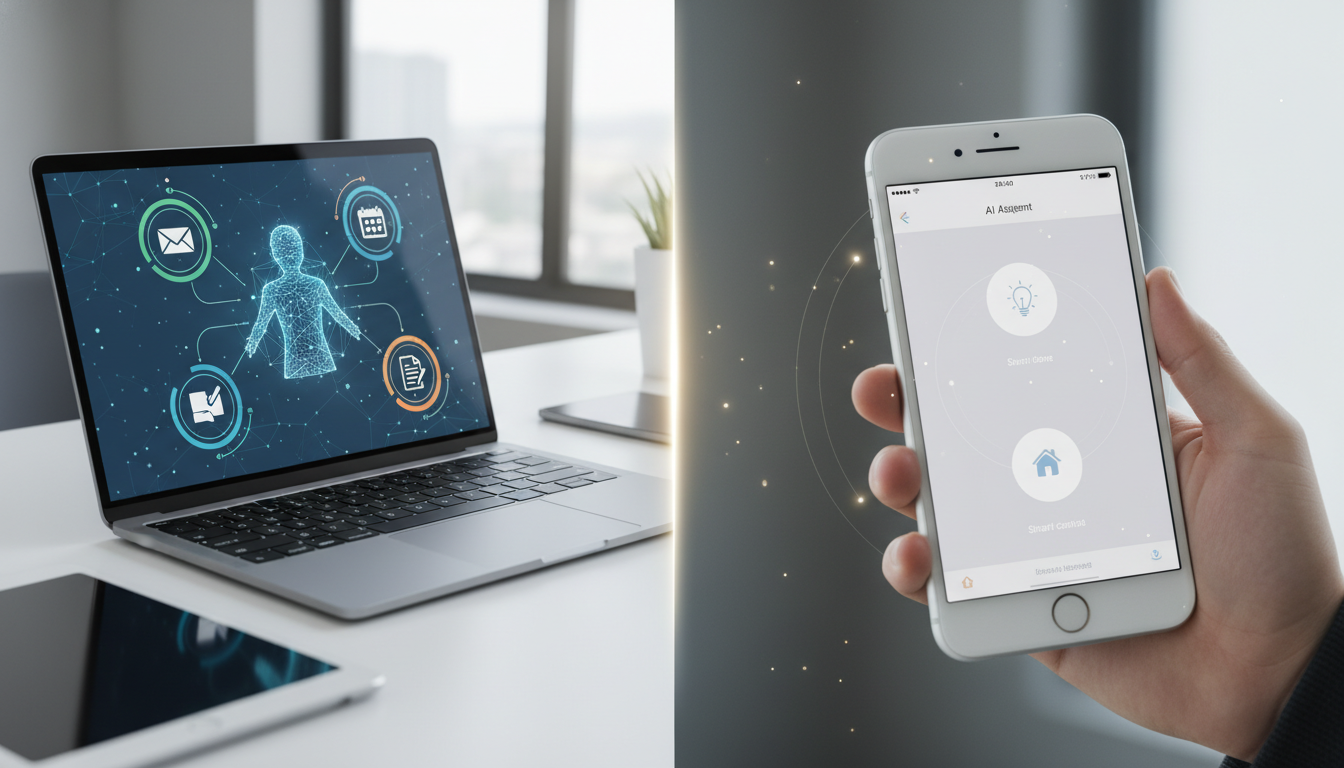
The first half of 2026 clearly established AI as the dominant force driving innovation across the tech landscape. Both Google and Apple demonstrated their commitment to integrating advanced intelligence into every facet of their ecosystems, from fundamental search capabilities to the very operating systems that power our devices. As these "agentic" and "intelligent" futures unfold, the implications for developers, businesses, and everyday users will be profound, setting a dynamic pace for the rest of the year.
What were your key takeaways from these pivotal events? Share your thoughts in the comments below, and don't forget to bookmark inovatopia for continuous updates on global IT trends and event calendars!